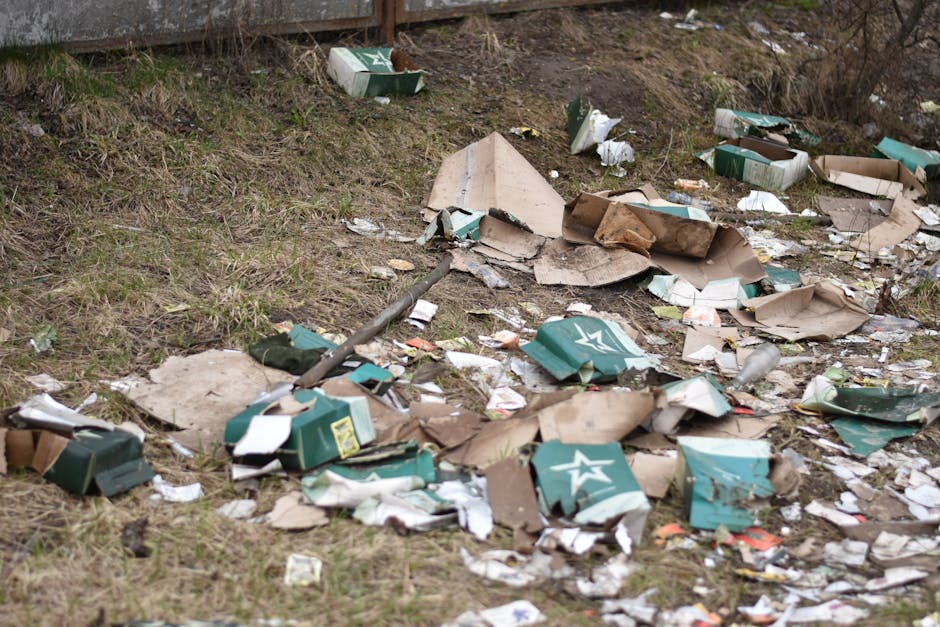
Commercial Waste Removal in Chislehurst

Commercial waste removal in Chislehurst should feel organised, predictable and suited to the way your business works. We provide a practical service for premises that need regular or one-off clearance of general business waste, mixed office rubbish and other non-hazardous materials that can be handled responsibly. The aim is straightforward: keep your site clear, make disposal easier to manage and help you arrange the right service without unnecessary disruption.
If you are comparing options, our service can support shops, offices, managed premises and trades that generate bulky or recurring waste streams. We work with collected items that need loading, sorting and onward disposal rather than leaving you to handle everything yourself. Clear communication matters here, so we make it easy to explain what needs removing and what the collection needs to cover before you ask for a quotation.
Use this page to understand the main service, the kinds of waste we can deal with and the pages that explain related options in more detail. If you already know what needs clearing, you can request a quotation once you have reviewed the most relevant service information. For broader support, our wider waste removal options are outlined on the linked service pages below.
Business waste and workplace clearances
Business waste removal usually works best when the collection is matched to the space and the type of material involved. That may mean removing bagged refuse from day-to-day operations, clearing stockroom debris after a refresh, or collecting mixed waste from a commercial unit that has become difficult to manage. We focus on practical loading and removal, with a process that suits premises where access, timing and housekeeping all matter.
For many customers, the key issue is keeping waste moving without letting it build up. Our business waste removal service is relevant where commercial rubbish needs a reliable clear-out rather than an ad hoc shift. If you are dealing with office furniture, archive material or general workspace clutter, the right approach is often to separate what can be reused, recycled or disposed of safely before collection day.
What a workplace collection can include
A typical commercial clearance may involve cardboard, packaging, shelving offcuts, broken small fixtures, unwanted office contents and everyday waste that has outgrown the bins. Where items are heavier or awkward, the service is designed to help remove them from the premises in an orderly way. In some cases, customers prefer to combine a clearance with a building reset, an office move or a stockroom tidy so that one visit covers several related tasks.
Office spaces, desks and confidential items

Offices often need a more careful clearance than a simple bin emptying arrangement. Desks, chairs, pedestals, filing units and mixed contents may all need to be moved without disturbing the rest of the premises. Our office clearance page covers the removal of workplace furniture and other office contents that are no longer required, helping you plan a tidy exit from a room, floor or suite.
Some workplaces also need an added layer of control around paper and records. Where confidential material is part of the job, a dedicated confidential shredding service can be relevant alongside the main clearance, keeping sensitive paperwork separate from ordinary rubbish. That is useful when old files, printed records or archive boxes need to be handled in a more careful way than routine waste.
When you are preparing an enquiry, it helps to describe the room type, the main categories of item and any access points that may affect loading. A brief list is often enough: what stays, what goes and whether any pieces need dismantling before removal. If the collection is part of a wider office change, say so early so the scope can be matched properly. One clear description can save time later.
Household-style items from commercial premises
Not every business clearance is purely office based. Managed buildings, letting agents, hospitality premises and mixed-use properties sometimes need domestic-style items removed from a commercial setting. That can include furniture, soft furnishings, appliances, bags of mixed contents or items left behind after a move-out. The right service depends on the layout and the type of material, not just on where it is stored.
For bulky household-style waste, the relevant pages can help you narrow the request. Our furniture clearance service is a useful fit where chairs, tables, cabinets and similar pieces need collecting, while furniture disposal is better suited to items that are only suitable for removal and onward processing. If you are dealing with mattresses or sofas, the dedicated mattress and sofa disposal page explains that route more clearly.
Where the contents are more varied, it may be better to think in terms of the room rather than the item category. Mixed clearances often work best when sorted into obvious groups before collection, particularly if some things are to be kept and others are to go. That approach helps avoid confusion at the point of loading and makes the quotation stage more accurate.
Bulky waste, appliances and harder-to-move items

Bulky waste can slow a workplace down because it takes up floor space and usually needs two people or more to move safely. Common examples include broken storage, old display units, surplus stock fixtures and items that cannot simply be bagged up. When appliances are involved, the waste stream becomes more specific again, especially if the items are large, heavy or awkward to move through internal routes.
For fridges, freezers, microwaves and similar equipment, the dedicated fridge and appliance removal service is the more appropriate starting point. It is also worth checking the main service page for any item restrictions that might apply before you book. If you have a mixture of waste and furniture, the best solution may be a combined collection that keeps the loading plan sensible without turning the job into several separate visits.
Useful item notes for this kind of service include size, quantity, floor level and whether anything has to be carried from a rear yard, basement or upper floor. Those details help distinguish a straightforward collection from one that needs extra handling. Where you can, mention whether items are loose or stacked, because that affects how the load is planned and the time needed on site.
Clearances for homes, garages and lofts linked to commercial sites
Some businesses also manage properties where storage rooms, lofts or garages have become full of unwanted items. That can apply to landlords, estate managers, small portfolio owners and anyone responsible for clearing space between tenancies or after a long period of accumulation. In those cases, a broader clearance service may be more suitable than a narrow rubbish collection alone.
Our home clearance and house clearance pages describe full-property clearances, while garage clearance and loft clearance are more specific if storage areas are the main concern. For sites where a whole property or flat is being emptied, the flat clearance service can be the most direct match. These pages are useful when the job is not only about waste but also about clearing a usable space.
Even when a property is part of a commercial arrangement, the details matter in the same way: access, stairs, parking, quantity and the mix of item types all affect the process. If you are not sure which page best fits, choose the one that matches the dominant task and describe the rest in your enquiry. That helps keep the request precise without overcomplicating the booking.
Garden, building and renovation waste
Some commercial clearances are generated outside the building or as part of maintenance work. Offices with landscaping, managed estates, retail units with rear yards and trade premises all produce garden and building waste at different times. Keeping those streams separate from general rubbish can make collection simpler, especially where the load contains soil, branches, cuttings, rubble or renovation offcuts.
Our garden clearance page suits cuttings, green waste and outdoor debris, while builders waste clearance is the better fit for renovation materials, offcuts and other debris left after works. For general waste that does not sit neatly in either category, the broader waste removal page may be the most flexible option. These routes help customers choose a service that reflects the actual load rather than forcing everything into one description.
It is sensible to separate inert materials, general waste and anything that may require special handling. If you are arranging a post-project clearance, a quick summary of the work carried out and the material left behind usually makes the quotation more accurate. Keep the description factual and avoid guessing; the clearer the list, the better the service can be matched.
About Chislehurst
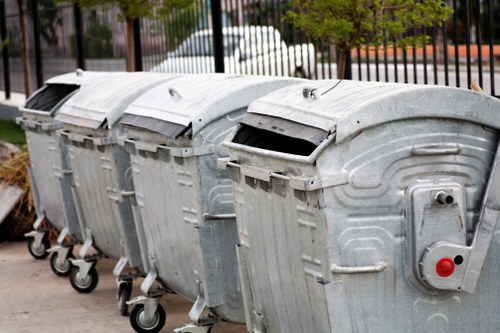
Chislehurst is a town in the London Borough of Bromley, in south-east London, known for a settled village character that sits alongside strong transport links and a well-used local high street. Its history is closely tied to its position on the edge of the London Clay plateau and to the wooded landscape that still shapes much of the area. The name is recorded in medieval forms, and for centuries the settlement grew around parish life, local estates and routes through Kent toward London. Today, the town centre combines independent shops, cafés and everyday services, while the surrounding streets include a mix of older homes, interwar development and later housing that reflects gradual suburban growth rather than large-scale redesign.
Access, planning and the practical side of a quotation
When you are arranging a collection, the first useful details are usually the most basic ones: what needs removing, where it is located and how it can be reached. A short written summary is often enough to begin with, though a simple list can be easier if there are several item groups. If the waste sits in more than one room, or if some items are staying behind, say that clearly so the quote can reflect the actual scope rather than an assumed one.
Access is another practical factor. Ground floor, upper floor, rear access, narrow stairways and shared entrances all influence how a collection is planned. It also helps to note whether parking or waiting arrangements are likely to be limited, because that can affect the order in which items are loaded. For mixed jobs, the best enquiries usually include a count or rough estimate of bags, pieces or piles rather than vague terms alone. Pricing and quotes is the right page to review if you want to understand how a request is framed before you send it.
Once you have the essentials, you can keep the enquiry concise and still make it useful. A few factual notes about size, type and access are usually enough for a proper response. If the waste includes items that might need separate treatment, mention that rather than waiting until later. Clear, practical information leads to clearer quotations, and that is especially important where a business wants the job handled without back-and-forth.
Collection, recycling and responsible handling
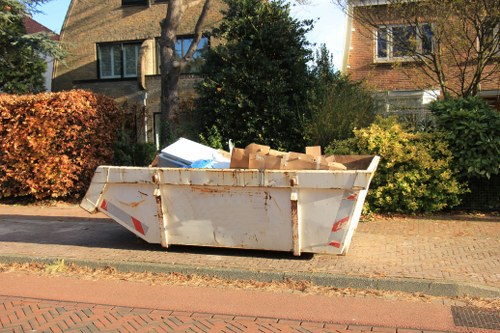
Commercial waste removal is not only about taking material away; it is also about deciding what can be separated, what can be recycled and what needs to be disposed of in the correct way. Different loads contain different proportions of cardboard, metal, wood, plastics, textiles and mixed refuse, so a sensible collection process should account for the composition of the waste rather than treating everything the same. That is one reason why a well-described load is so helpful from the outset.
If sustainability is an important consideration for your business, the recycling and sustainability page is a useful place to understand the approach more clearly. You may also wish to review insurance and safety for broader operational information if you are comparing providers and want to know how jobs are handled on site. These pages do not replace the main service, but they do help put the collection into context.
If you are ready to move forward, send the details of the waste and ask for a quotation in plain terms. For many customers, that is the quickest way to turn a cluttered space into a workable one. You can request a quotation now or use the relevant service page to narrow the job further before you book.